For entrepreneurs looking to enter the lucrative bottled water industry without committing to a massive capital investment, a small scale water bottling machine offers the perfect entry point. These compact systems are designed for entrepreneurs, community water projects, and niche brands who want to produce clean, safe bottled water at manageable volumes while maintaining product quality that meets consumer and regulatory expectations.
What Is a Small Scale Water Bottling Machine?
A small scale bottling machine is typically defined as equipment capable of producing between 1,000 and 10,000 bottles or sachets per hour. These machines are significantly more affordable than industrial-scale production lines, small scale water bottling machine require less factory space, consume less energy, and can be operated by a small team with basic training. Despite their modest scale, quality small-scale machines produce products that fully meet food safety standards.
Machine Types Available at Small Scale
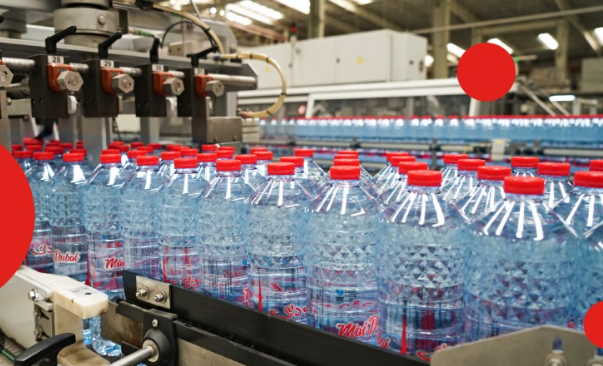
Small scale options include sachet water packaging machines, manual or semi-automatic PET bottle filling lines, table-top filling and capping units, and small monoblock rinser-filler-capper systems. Each type suits different business models and product formats. Sachet machines are the lowest cost entry point, while small PET bottle lines open the retail market.
Footprint and Space Requirements
Small-scale machines are designed to fit into modest factory spaces. Basic sachet machines may require as little as 15 to 30 square meters of floor space. Small bottle filling lines including purification equipment and storage typically require 100 to 300 square meters. This space efficiency makes small-scale production feasible for urban locations where large industrial facilities are impractical.
Key Advantages of Starting with Small Scale Equipment
Starting small has strategic advantages beyond just lower initial cost. You can learn the production process, build your brand, and grow your customer base without the financial pressure of an oversized facility. Early operational experience reveals actual demand levels and operational challenges, which informs smarter investment decisions when you are ready to scale up.
Lower Financial Risk
A smaller initial investment means less financial exposure if market conditions are unfavorable. Many successful bottled water brands started with small-scale equipment and reinvested profits to grow. This organic growth model preserves financial flexibility during the critical early years of business development.
Faster Learning and Improvement Cycles
Running a small operation gives you direct visibility into every aspect of the production process. Issues with water quality, filling accuracy, label application, or packaging are quickly identified and corrected. This hands-on experience makes you a more effective manager when you eventually scale to larger, more automated systems.
What to Look For When Buying a Small Scale Machine
Even at small scale, machine quality matters enormously. Look for machines with stainless steel product-contact surfaces, reliable filling valves with consistent volume accuracy, robust sealing or capping mechanisms, and clear hygiene design that facilitates cleaning. Request product samples produced on the actual machine before committing to purchase.
Ease of Cleaning and Sanitization
Small operations often lack the specialized maintenance staff of large facilities, so machines that are easy to clean and sanitize are especially important. Look for smooth interior surfaces, minimal internal recesses where bacteria can hide, and simple disassembly for manual cleaning of key components.
Supplier Support and Spare Parts Availability
For a small business, machine downtime can be catastrophic. Choose a supplier who carries local stock of critical spare parts and can provide remote or on-site technical support within 24 to 48 hours. An active local dealer network or regional service center is highly valuable.
Upgrading From Small Scale to Larger Production
Plan your equipment investments with expansion in mind. Some small-scale machine manufacturers design their equipment as modular units that can be expanded by adding components or upgrading key assemblies. Understanding the upgrade pathway before you buy helps you make a first investment that fits your long-term production strategy.
Frequently Asked Questions
Q: How many workers are needed to operate a small scale bottling machine?
A: Most small-scale machines require 2 to 5 operators for production, quality control, and packaging. Fully automatic machines may need fewer operators but require technically competent staff for setup and maintenance.
Q: Is a small scale water bottling machine suitable for export markets?
A: Small-scale machines can produce export-quality products if they meet the destination country’s food safety standards. Equipment certification and product quality documentation are essential for export compliance.
Q: What permits are needed to operate a small water bottling business?
A: Requirements vary by country and region but typically include food production facility registration, water quality testing and certification, and relevant business permits. Consult local regulatory authorities early in your planning process.
Conclusion
A small scale water bottling machine is the smart starting point for entrepreneurs ready to enter the bottled water market without overextending their initial capital. With the right machine, reliable water treatment, and solid operational discipline, a small-scale operation can build a strong brand, loyal customers, and the financial foundation needed for future growth. Start right, and scale wisely.